
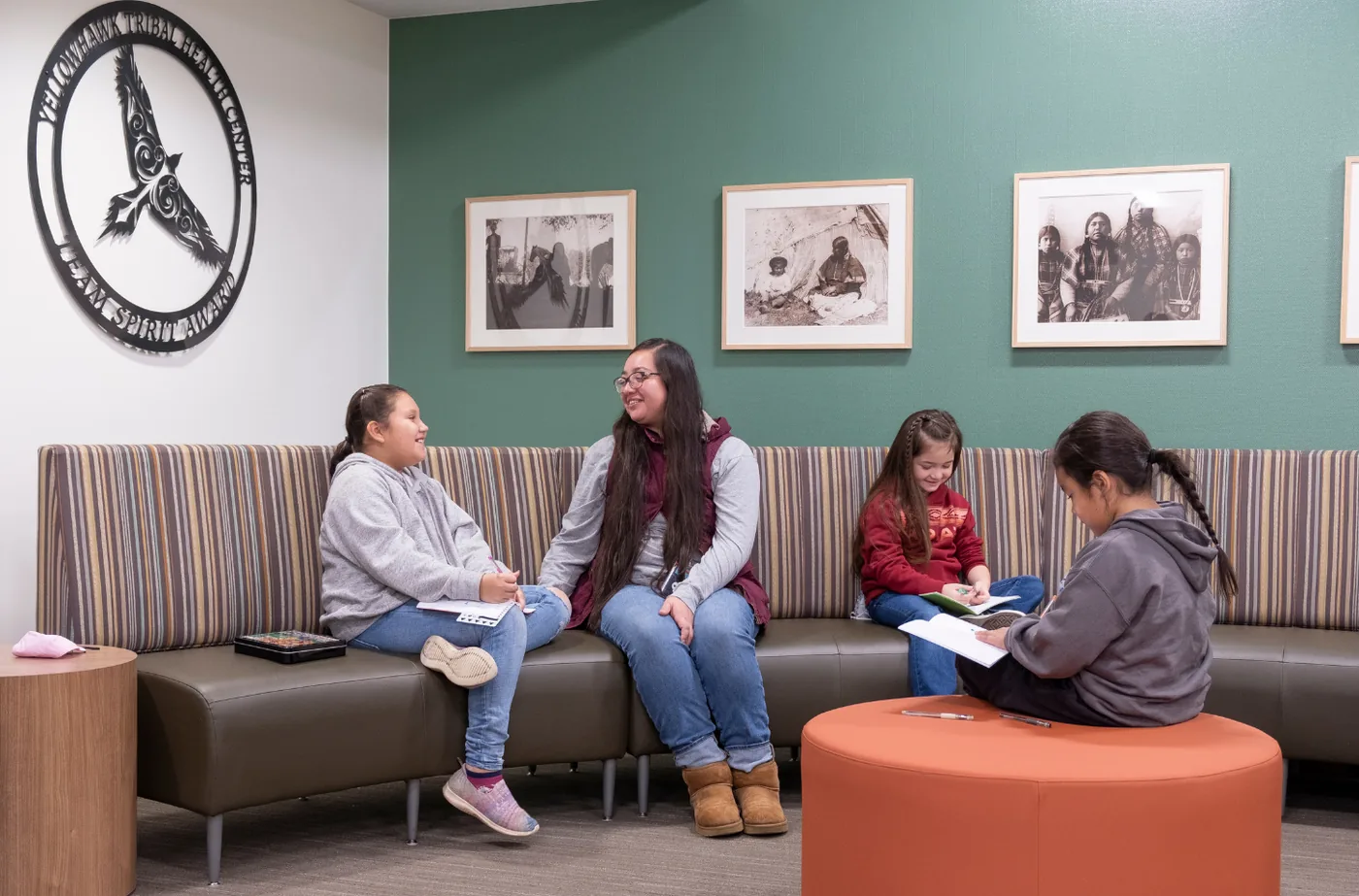
Family Strength Program
NeqceɁéce QapšqapšnáawitOffering intensive wraparound, community-based services for children, youth, and families.
Supporting Children, Youth, and Families
The Family Strength Program works collaboratively with the people involved in a child's care using a wraparound approach.
The program is centered on each individual's values and circumstances, meeting clients where they are in life. Services are provided in community and school-based settings to help families access the support they need to heal.
The program takes a strength-based approach, recognizing that families know themselves best and should have an active role in determining what works for them.
Services Offered
- Case Management
- Mental Health Therapy
- Mentoring / Skills Building
- Culturally specific activities and resources
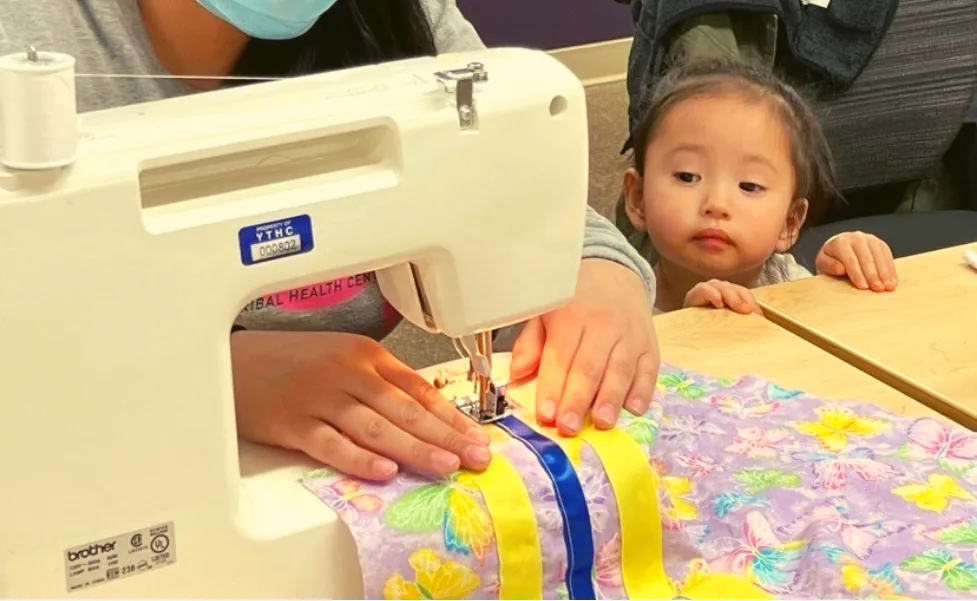
We guide families as they heal.
Trauma can be an event or series of events that causes emotional distress. This can include experiences such as:
- Injury
- Death or loss of someone close
- Family separation
- Exposure to violence
- Abuse
- Natural disasters
Historical trauma, including forced relocation, colonization, loss of language, and boarding schools, can also continue to affect future generations.
Our History
The Family Strength Program began as a grant-funded program supported by the Substance Abuse and Mental Health Services Administration (SAMHSA).
The grant was awarded in 2013, and the program became self-sustaining in 2018.
“The way we talk to our children becomes their inner voice.”
Referral Process
Referrals for Yellowhawk service-eligible patients can be made to the Family Strength Program by completing the appropriate referral form.
Patients, and parents of youth under age 14, must be aware that the referral is being made.
Program staff review the referral paperwork, determine eligibility, and then contact the patient or family.
Questions about the Family Strength Program?
Call 541.240.8670Immediate help is a call, text, or chat away.
988 routes callers to trained counselors who listen, provide support, and connect you to resources. Local crisis centers prove effective in making callers feel less overwhelmed and more hopeful.