
Self-Measured Blood Pressure Program
PinášukʷatMeaning: Knowing yourselfPinášukʷat is an evidence-based, culturally responsive program designed to engage patients living with high blood pressure and/or high blood cholesterol in self-management and treatment.

What Is the Pinášukʷat Program?
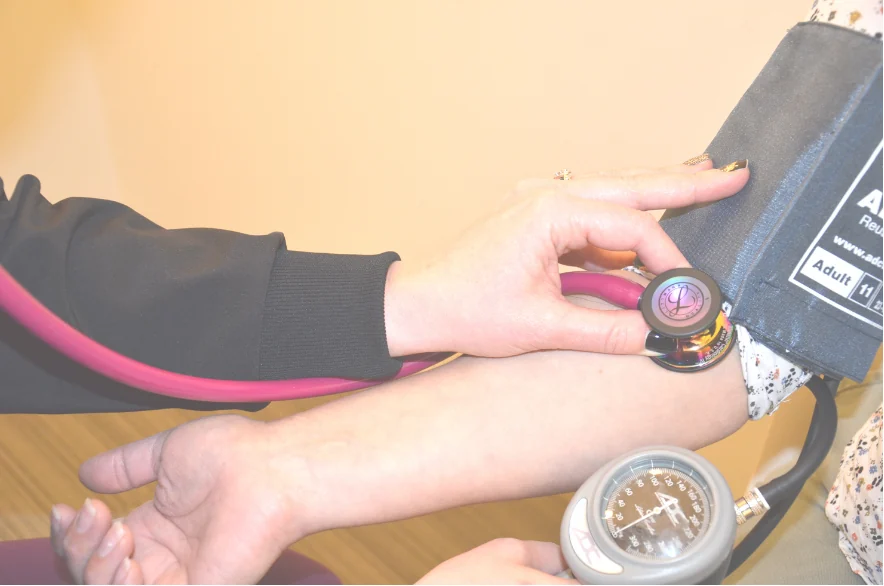
Blood pressure readings taken during clinic visits may sometimes be affected by stress, rushing, clothing, or other factors.
The Pinášukʷat program helps patients monitor their blood pressure at home so they and their care team can get a more accurate picture of their typical blood pressure over time.
Participants Receive
- One-on-one mentoring from certified healthcare professionals
- User-friendly heart-health education and resources
- A high-quality blood pressure monitor for home use
- Support with proper blood pressure monitoring techniques
- Guidance for tracking results over time
By helping patients regularly monitor their blood pressure at home, the program supports ongoing self-management of blood pressure and cholesterol.
Who May Qualify?
Participants must be 18 to 85 years old and meet one of the following:
Have a diagnosis of essential hypertension or primary hypertension
Have no established history of hypertension but have had multiple elevated blood pressure readings in the clinic within the last 12 months
Participants must also:
Be willing to participate in the Pinášukʷat program
Be able to reliably take their blood pressure at home on their own
How Participation Works
If you would like to participate in the Pinášukʷat program, speak with your healthcare provider or contact Yellowhawk Public Health.
If you qualify, a Community Health Representative (CHR) will contact you and coordinate the type of support you would like while participating.
Support May Include
- Phone calls
- Porch visits
- Emails
- Text messages
Participants Are Responsible For
- Taking their blood pressure at home using the provided blood pressure monitor
- Keeping a blood pressure journal
- Tracking results over time
Understanding High Blood Pressure
What Do I Need to Know About High Blood Pressure?
High blood pressure, also called hypertension, is blood pressure that is higher than normal. Blood pressure is measured using two numbers.
Systolic pressure is the pressure in the blood vessels when the heart beats.
Diastolic pressure is the pressure in the blood vessels when the heart rests between beats.
When Should I Check My Blood Pressure?
Take your blood pressure regularly, even if you feel fine. Blood pressure can be checked:
- At home
- At many pharmacies
- At a healthcare provider's office
How Can I Control My Blood Pressure?
Work with your healthcare professional to make a plan for controlling your blood pressure.
Blood Pressure Categories
| Blood Pressure Category | Systolic mm Hg | Diastolic mm Hg |
|---|---|---|
| Normal | 120 | 80 |
| Elevated | 120–129 | 80 |
| High – Stage 1 | 130–139 | 80–89 |
| High – Stage 2 | 140 | 90 |
| Hypertensive Crisis | 180 | 120 |
The ABCS of Heart Health
More than 1.5 million heart attacks and strokes occur each year in the United States. The ABCS are a way to reduce that risk and improve heart health.
Take aspirin as directed by your healthcare professional
Control your blood pressure
Manage your cholesterol
Don't smoke
Source: Million Hearts®
Questions About the Self-Measured Blood Pressure Program?
Speak with your healthcare provider or call Public Health to ask about joining Pinášukʷat.
Other Yellowhawk Numbers
Prescription Refills: 541.240.8690
After Hours Medical Nursing Telephone Advice: 541.966.9830
After-hours mental health crisis support: call 988, Community Counseling Solutions 541.240.8030, or text HELLO to 741741.
CTUIR Community Warm Line (non-crisis peer support): 541.969.0010